







DIY Slingshot
A DIY slingshot project combines creativity with function, giving shooters a hands-on way to build gear tailored to their style. Whether crafting a simple wooden frame or experimenting with advanced materials, making your slingshot sharpens your understanding of form, power, and accuracy. It’s an engaging entry point for newcomers and a satisfying challenge for experienced shooters looking to customize performance while learning valuable slingshot fundamentals.


Selecting Safe And Sustainable Fork Materials
Choosing the right fork material shapes the safety, longevity, and field performance of your homemade slingshot. Thoughtful selection creates a dependable frame that resists failure and helps you shoot confidently while respecting the environment. Understanding the different types of slingshots available can also guide your material choice, helping you match durability and comfort to the shooting style you plan to pursue.
Wood As A Classic And Trusted Option
Wood remains a favorite due to its natural flex, familiar feel, and ease of shaping. Hardwoods like oak, hickory, maple, and ash resist cracking under tension from bands. If gathering your own, pick healthy branches with natural forks and let them dry thoroughly to prevent splitting. Sustainably sourcing or repurposing fallen wood reduces environmental impact and ensures long-term durability.
Modern Polymers For Consistency And Weather Resistance
High-density polyethylene (HDPE) and other recycled plastics offer strength, lightweight properties, and excellent weather resistance. These materials, often reclaimed from cutting boards or industrial scraps, maintain steady performance even in rain or humidity. They’re ideal for shooters who want predictable results, regardless of outdoor conditions, while reducing waste by using recycled sources whenever possible.
Metals That Add Stability And Strength
Aluminum, stainless steel, and titanium bring unmatched toughness and a heavier feel, improving aim stability. Select corrosion-resistant options and opt for smooth edges to prevent injury. Protective glasses are essential, and gloves should not be worn when working near spinning tools since they can snag and pull your hand in. (Use gloves only for handling sharp stock after machining, not during powered shaping.) Using recycled metals helps keep builds eco-conscious while adding premium performance for advanced shooters who appreciate a solid, unwavering frame.
Upcycled And Composite Materials For Creative Builds
Reusing materials like old tool handles, laminated wood scraps, or skateboard decks transforms waste into functional, one-of-a-kind slingshots. These builds combine sustainability with style while maintaining strength and reliability. Layered or reinforced composites can also increase durability, letting DIY makers experiment with unique shapes and custom finishes without sacrificing structural safety or shot control.
Safety Checks Before Final Assembly
Scrutinize every fork for cracks, knots, or warping. Sand edges smooth for comfort and ensure an adequate surface area for secure band attachment. Test with light tension before full draw to confirm safety. Follow SimpleShot’s guidance to avoid shooting rocks or other non-spherical ammo, and inspect bands regularly for nicks or wear. Quality finishing and thorough checks give peace of mind and protect against shooting or hunting accidents.
Making smart material choices ensures your simple DIY slingshot is safe and environmentally responsible. Combining resilience with sustainability means your build will last longer, shoot reliably, and leave a lighter impact outdoors. Planning material selection now pays off every time you use your slingshot in the field.
Essential Tools And Workspace Setup For Home Builds
A reliable DIY slingshot build begins with the right tools and a safe, organized workspace. Careful preparation improves precision, safety, and enjoyment, turning each build into a smooth and rewarding project. Taking time to set up correctly is especially important if you’re designing a custom slingshot, where every detail, from frame shape to band fit, needs accuracy and control.
Building Your Toolkit For Success
Start with a fine-toothed or coping saw to shape your frame, especially when using hardwood or dense plastics. Sandpaper in various grits, from 60 to 400, smooths edges and creates a comfortable grip. Add small files or a rotary tool for detailed shaping or decorative touches. For fork and band holes, a reliable drill with bits from 1/8” to 1/4” is essential. Clamps or a vise keep your work stable while attaching bands. A sharp utility knife and pouch punch help cut and shape bands and pouches cleanly, ensuring consistent and safe shooting performance.
Organizing A Functional Workspace
A sturdy table or bench with good lighting, ideally natural or bright task lamps, reduces errors and strain. Lay out materials and tools before starting to keep the build efficient and focused. Use a mat or drop cloth to protect surfaces when sanding, gluing, or applying finishes. A clutter-free, well-lit area improves safety and makes each step more controlled and enjoyable.
Focusing On Safety And Comfort
Always wear safety goggles and consider a dust mask when sanding wood or plastics. Keep your space ventilated to avoid inhaling fine dust or fumes from adhesives and finishes. Taking simple safety measures early protects your hands, eyes, and lungs, allowing you to work longer and more precisely.
Storing Materials For Easy Access
Organize wood blanks, bands, and pouches in labeled bins, sections of PVC pipe, or drawers. Store adhesives and oils safely out of the reach of children and pets. Keeping your materials organized reduces downtime and frustration while ensuring that everything you need is readily available.
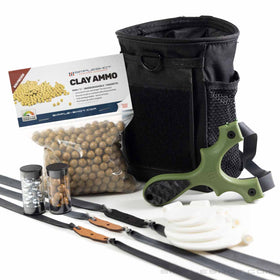
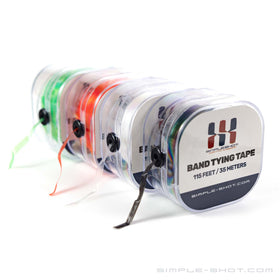
Build better with SimpleShot and craft a DIY slingshot you can trust in the field. We supply everything you need—from premium band latex and microfiber pouches to DIY band-tying tools—for safe, consistent shooting. Whether starting your first build or refining a custom design, SimpleShot makes each project easier and more reliable. Shop now and start creating with confidence.
Choosing Bands And Tubes For Your Shooting Goals
Selecting the right bands or tubes is one of the most essential steps in building a reliable and enjoyable slingshot setup. Aligning your shooting goals with the right materials enhances accuracy, comfort, and performance. Taking time for proper measuring slingshot draw length ensures the bands or tubes you select will deliver consistent power and fit your shooting style.
Understanding Flat Bands For Precision Shooting
Flat bands are favored by shooters who value speed and accuracy. Made from high-quality latex, they’re easy to cut and customize, allowing you to fine-tune the pull weight and speed. Their fast snap-back delivers crisp, responsive shots ideal for target practice or competitive shooting, while adjustable length and taper allow highly personalized performance.
Using Tubes For Durability And Power
Tubes excel when longevity and heavy impact matter. Tubes can be used single-strand or doubled/“looped” depending on desired power, and certain tube sizes are recommended for different ammo and draw lengths. Their rounded pull feels smooth and firm, making them ideal for hunting or anyone who wants gear that lasts longer and can handle more challenging conditions.
Adjusting Band Thickness And Taper For Control
Thicker bands produce more force, helping to send heavier steel ammunition farther with greater momentum, which is beneficial for hunting small game. Thinner or tapered bands lighten draw weight, increase speed, and create a more effortless shooting rhythm. Beginners benefit from lighter setups to develop their form, while advanced shooters can customize tapers for optimal speed and power balance.
Matching Tube Size To Ammo And Draw Strength
Tube wall thickness and diameter directly affect draw weight and the choice of projectile. Thinner tubes, such as 1632, are great for target practice and lighter ammo, providing quick, snappy releases. Thicker tubes (e.g., 2040, 1842, 1745) are better suited to heavier steel or doubled/looped setups for hunting and heavy-duty shooting. SimpleShot sells 2040, 1842, 1745 and 1632 tubing and documents recommended use cases for each size.
Testing And Refining Your Setup Over Time
Finding the perfect combination often requires trial and error, with adjustments made as needed. Experiment with different thicknesses, tapers, and tube sizes to understand their feel and performance. Field testing helps you dial in comfort, consistency, and accuracy for any goal, from backyard plinking to reliable hunting setups.
Thoughtfully selecting bands and tubes transforms your slingshot experience. The right match provides predictable shooting, reduces fatigue, and boosts confidence in every draw, making practice and field use more rewarding.
Upcycling Everyday Items Into Slingshot Accessories
Upcycling turns ordinary objects into practical slingshot gear, adding creativity and personal style to your setup. With some resourcefulness, you can make functional accessories that save money and suit your shooting needs. Checking a slingshot ammo size chart before creating or repurposing storage helps you keep your ammo organized and matched to the correct shooting setup.
Crafting Custom Ammo Pouches From Spare Materials
Old leather belts or wallets (or other sturdy materials) provide durable scraps perfect for DIY pouches; cut to size, punch clean holes for bands, and shape with a coin for consistency. Canvas from tote bags or heavy gloves works well, too, offering strength and flexibility while keeping your shooting comfortable and controlled.
Turning Containers Into Portable Ammo Holders
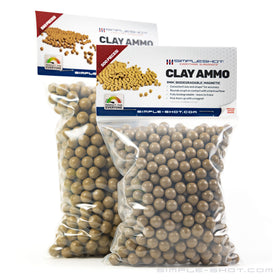
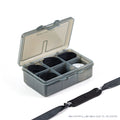
Empty pill bottles, mint tins, or spice jars make excellent ammo storage, keeping steel or clay shot organized and easy to carry. Tic Tac boxes or film canisters also work well, and labeling sizes helps you grab exactly what you need quickly.
Building Simple And Effective DIY Targets
String empty cans with twine, hang old CDs or DVDs safely, or glue plastic bottle caps to cardboard for visible, responsive targets. These low-cost solutions give satisfying feedback and keep training sessions engaging without expensive target systems.
Organizing Spare Bands And Small Parts Creatively
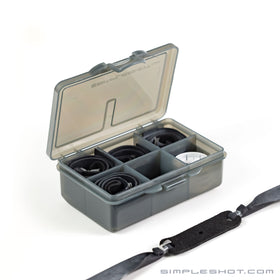
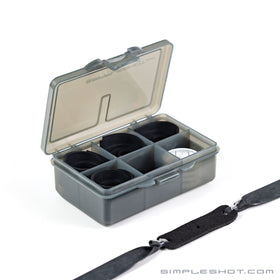
Fishing lure boxes, duct tape wallets, or binder clips can neatly hold spare bands. Small plastic tool drawers enable you to sort bands by draw weight or thickness for larger setups, allowing for quick swaps during shooting or hunting.
Common Mistakes When Building A First Slingshot
Building a DIY slingshot is exciting, but minor oversights can lead to safety issues or poor shooting performance. Knowing these common mistakes will help you make a reliable and enjoyable first frame.
- Using The Wrong Materials: Selecting unseasoned wood or weak fork stock often results in cracks and misaligned bands. Select seasoned hardwood or high-quality composites with uniform grain and a symmetrical fork shape for enhanced strength and accuracy.
- Overlooking Ergonomics & Comfort: Sharp edges and poorly shaped grips cause fatigue and reduce control. Test the frame in your hand before finishing, smoothing rough spots, and adjusting the handle to match your shooting stance and palm size.
- Improper Band Attachment Methods: Loose knots or poorly secured bands can slip or snap unexpectedly, posing a risk of injury. Learn safe attachment techniques such as OTT (over-the-top) or TTF (through-the-fork), and follow the manufacturer’s guidance when using integrated clips if your frame supports them.
- Ignoring Band Selection & Condition: Bands that are too heavy make learning proper form difficult and can lead to inconsistent shots. Start with lighter bands, inspect bands regularly for nicks, age, or other wear, and adjust strength as your technique improves.
- Skipping Key Alignment Details: Uneven band ends, off-center pouches, and warped forks cause flyers and poor accuracy. Take time to ensure band lengths are even, pouches are centered, and forks are straight before final assembly and use.
Building with attention to material quality, fit, and proper setup creates a safe and accurate slingshot. Regular inspection and simple field checks before shooting mean a better shooting experience and faster improvement once you take your first shots.
Read also:
Frequently Asked Questions
To build a DIY slingshot, gather a sturdy frame from wood, metal, or durable composites, quality elastic bands like natural latex, and a microfiber pouch. Always wear protective eyewear for safety.
Hardwoods such as oak, hickory, maple, and ash work best because they’re durable and resilient. Ensure your wood has no cracks or weak points before shaping and attaching bands for safe use.
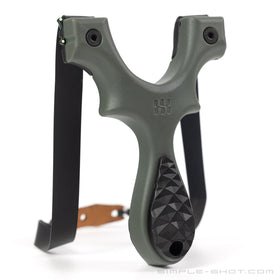
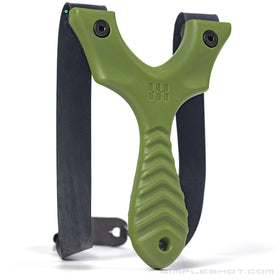
Yes. You can use metal, plastic, or composite materials like G10 (see Scout X G10 / Scout LT2 G10), which add comfortable weight and stability. Compact non-wood designs, such as SimpleShot’s Axiom Champ, offer strength and portability.
Flat latex bands provide fast retraction and power, while tubes deliver a different draw feel. To pick bands that match your frame, consider your draw length, ammo size, and shooting style — and check SimpleShot’s band/tube sizing guides for recommended pairings.
DIY slingshots can be safe when constructed with proper materials and assembled carefully. Always wear eye protection, inspect for cracks or weak points, and handle responsibly to avoid injury or unsafe shooting situations. Follow manufacturer guidance for band attachment and maintenance.
Essential tools include a saw for shaping, a drill for band holes, and sandpaper for smoothing edges. A utility knife, clamps, and a stable work surface make building safer and easier. SimpleShot’s DIY kits also bundle useful band-tying tools and templates if you want a ready-made starter set.